Travoxa
Attractions Background

Discover Iconic
Attractions & Monuments

Popular Attractions(38 found)

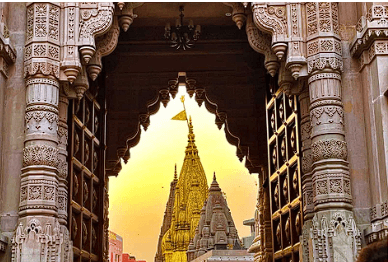
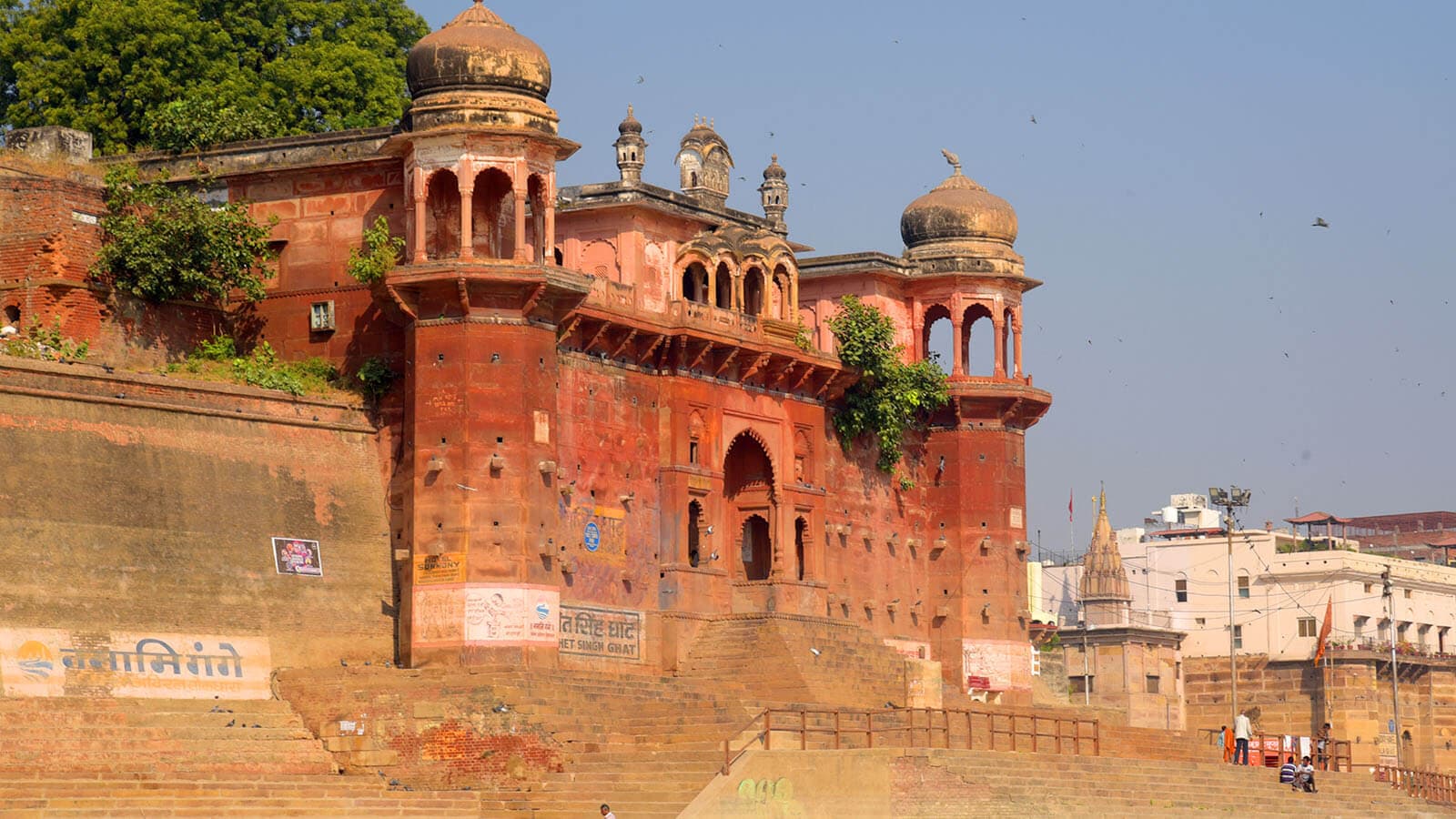
Shri Kashi Vishwanath Temple ​
4.7
Popular
Religious
Varanasi, Uttar Pradesh

Shri Kashi Vishwanath Temple ​

Temple

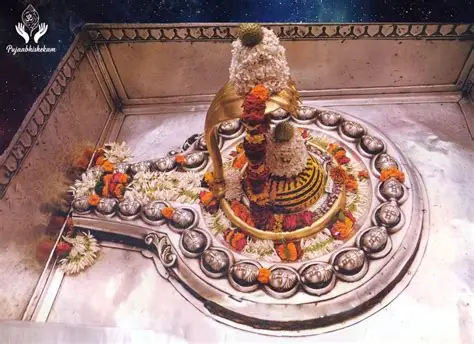
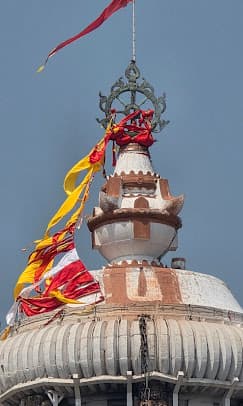
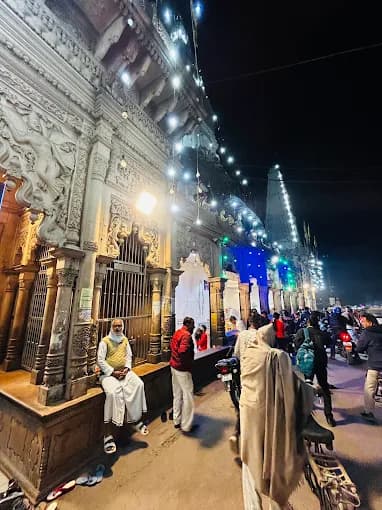
The Shri Kashi Vishwanath Temple stands as one of the 12 revered Jyotirlingas dedicated to Lord Shiva in Varanasi, the spiritual capital of India. Recently revitalized with a grand corridor linking it to the Ganges, the temple complex now spans modern facilities including shopping areas, restrooms, and enhanced security for millions of pilgrims. Devotees experience profound aartis—Mangala at dawn, Bhog midday, Sandhya evening, and Shayana at night—amidst chants and bells echoing the eternal presence of Shiva. The gold-plated spire symbolizes divine grace, drawing global visitors for darshan and purification rituals along Dashashwamedh Ghat. Amidst Varanasi's labyrinthine lanes, it offers solace, cultural immersion, and a glimpse into millennia-old Hindu traditions, though crowds demand patience. Enhanced infrastructure post-2021 redevelopment ensures smoother access, blending ancient sanctity with contemporary management

Free Entry
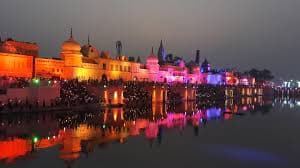
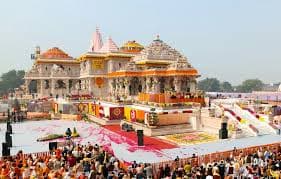
Shree Ramjanmbhumi Temple Ayodhya
4.7
Family Friendly
Religious
Ayodhya, Uttar Pradesh

Shree Ramjanmbhumi Temple Ayodhya

Temple

The Shree Ram Janmabhoomi Temple in Ayodhya is one of India’s most significant religious landmarks, believed to mark the birthplace of Lord Ram. The grand temple was inaugurated in January 2024 and stands as a symbol of devotion, heritage, and architectural excellence. Built in traditional Nagara style, the temple features intricately carved sandstone pillars, expansive courtyards, and a sanctum housing the idol of Ram Lalla. Spread across a vast complex, the temple combines spiritual ambiance with monumental scale, attracting millions of pilgrims from across India and abroad. Strict security arrangements ensure organized darshan. The surrounding Ayodhya city has also undergone major infrastructure upgrades, including improved roads, railway station redevelopment, and the operational Maharishi Valmiki International Airport. The temple is not just a religious site but a cultural epicenter representing centuries of faith and history.

Free Entry
Kaal Bhairav Mandir
4.7
Religious
Varanasi, Uttar Pradesh

Kaal Bhairav Mandir

Temple

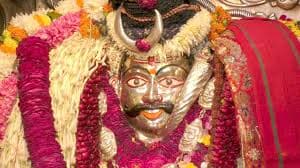
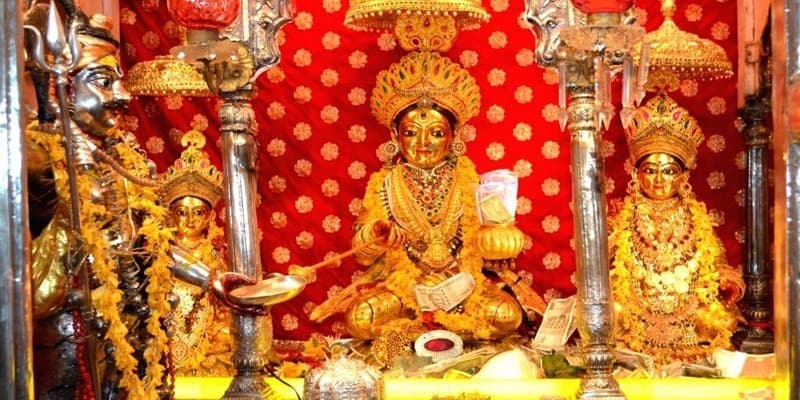
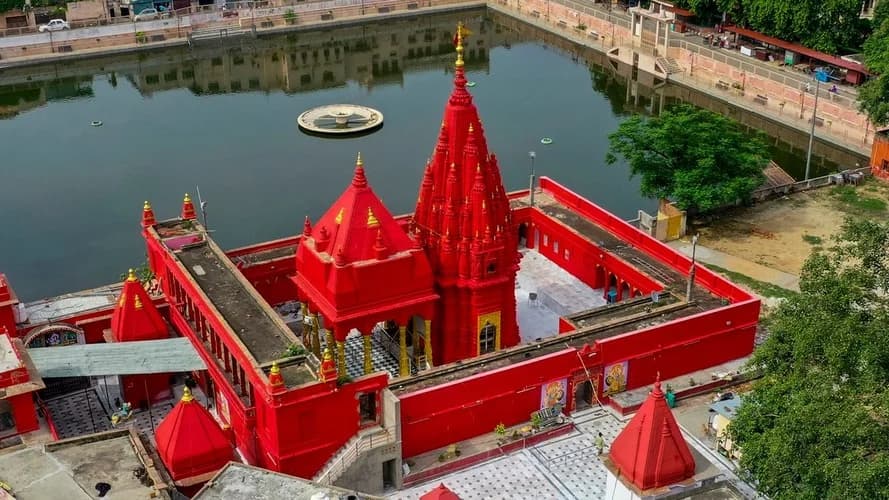
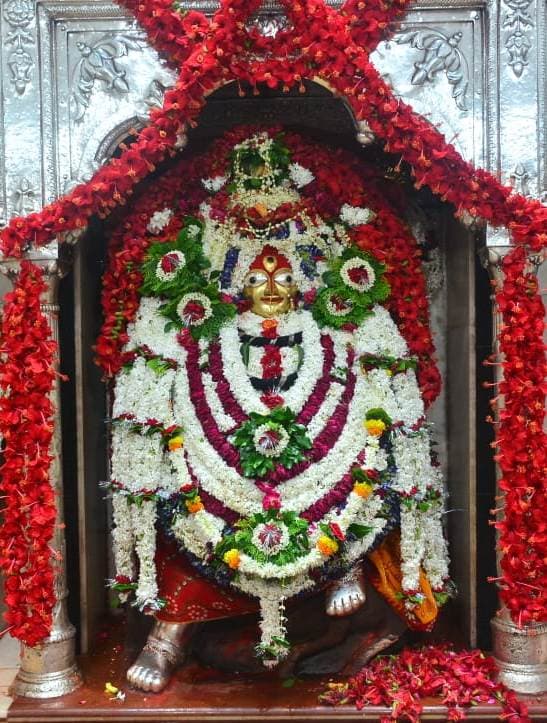
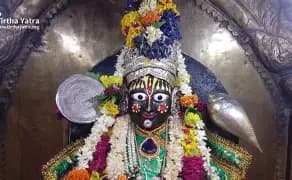
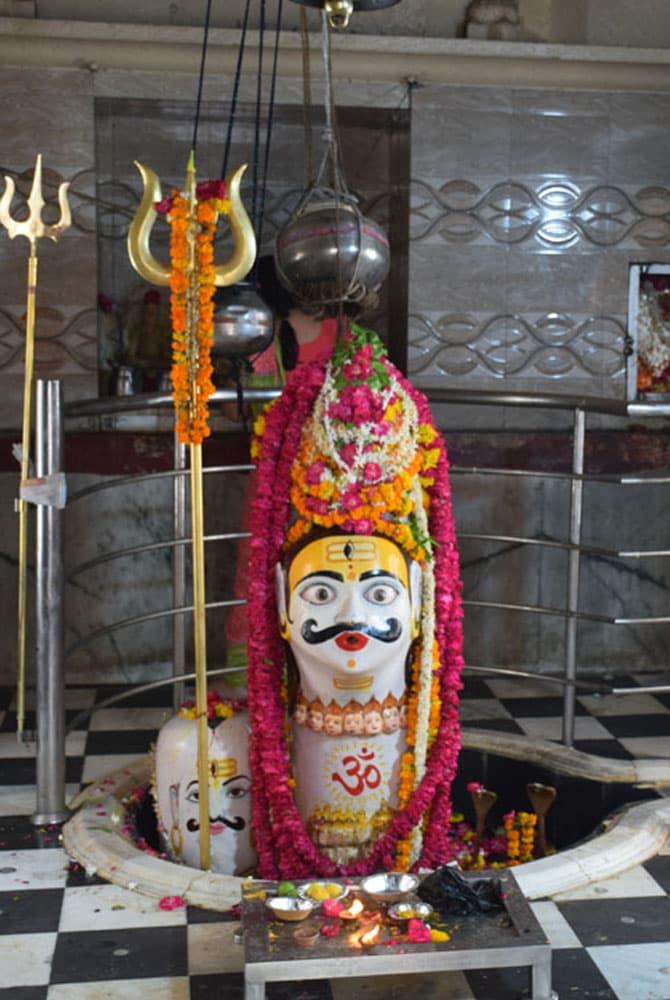
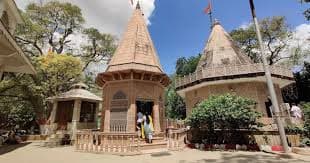
Kaal Bhairav Mandir in Varanasi is an ancient temple dedicated to Kaal Bhairav, the fierce manifestation of Lord Shiva and revered as the guardian deity (Kotwal) of Kashi. Believed to be constructed in the mid-17th century, it features Nagara-style architecture with a silver-faced idol of the deity seated on a dog, holding a trident; only the face is visible as the body is covered. Tradition holds that no one can stay in Varanasi without his permission, making it a essential stop for pilgrims before visiting other sites like Kashi Vishwanath Temple. The temple exudes intense spiritual energy, especially during festivals like Bhairava Ashtami and Mahashivratri, drawing devotees for darshan and poojas amid the bustling old city lanes of Visheshwarganj. Entry is free, and the site reflects Kashi's blend of devotion, mythology, and urban vibrancy, offering a profound glimpse into Hindu traditions of protection and time's inexorable nature.

Free Entry
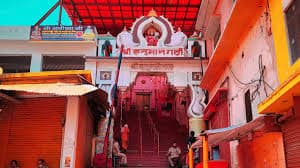
Sankatmochan Hanuman Mandir
4.5
Popular
Religious
Varanasi, Uttar Pradesh

Sankatmochan Hanuman Mandir

Temple

Established by the poet-saint Goswami Tulsidas in the early 16th century, the Sankatmochan Hanuman Mandir is one of Varanasi's most revered spiritual landmarks. It is built on the spot where Tulsidas is believed to have had a vision of Lord Hanuman. Unique to this temple, the deity is depicted facing Lord Rama, a rare iconographic detail. The temple complex is synonymous with peace, despite the playful presence of resident monkeys. It hosts the famous "Sankat Mochan Sangeet Samaroh" every April, attracting top classical musicians. Strict security is in place following a 2006 incident, ensuring a safe environment for the thousands of devotees who visit daily to offer "Besan ke Ladoo" and seek relief from Saturn's (Shani) influence.

Free Entry
Mahamrityunjay Mahadev Temple
4.5
Religious Significance,
Religious
Varanasi, Uttar Pradesh

Mahamrityunjay Mahadev Temple

Temple

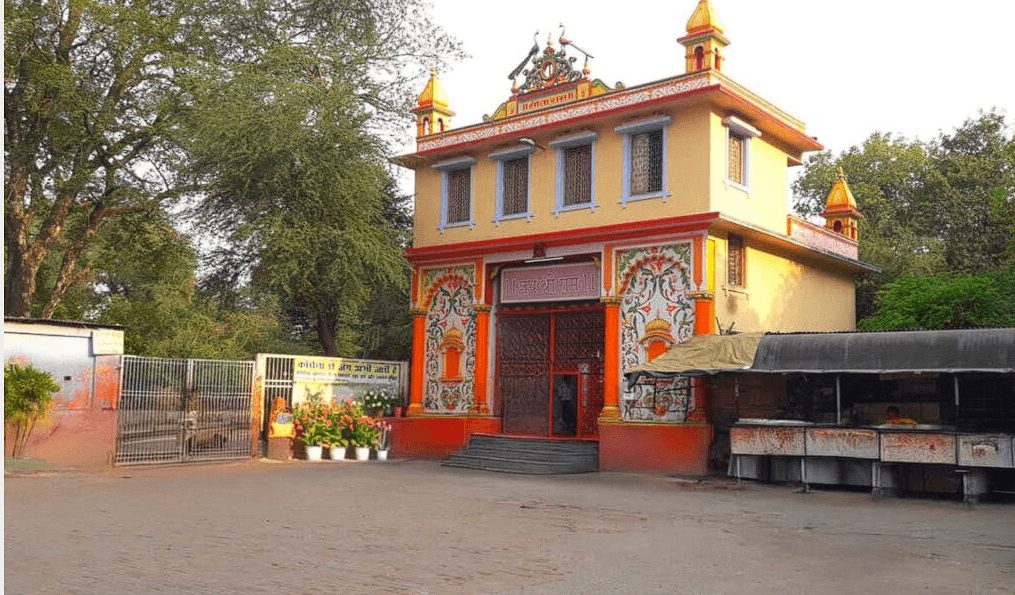
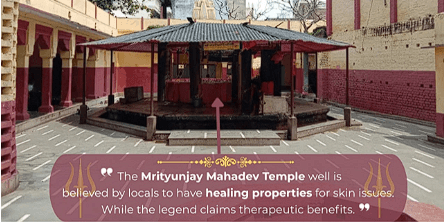
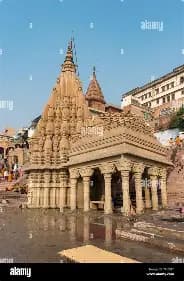
The Mahamrityunjay Mahadev Temple is one of Varanasi's most significant spiritual sites, dedicated to Lord Shiva in his form as the "Conqueror of Death." Located near the Daranagar locality, the temple is ancient and deeply revered for its association with longevity and healing. A unique feature of this temple is a sacred well (well of miracles) located within the premises; it is believed that the water possesses therapeutic properties and can cure various ailments. Devotees flock here to perform the Mahamrityunjay Jaap (chant) to seek protection from untimely death and chronic illnesses. Unlike the more commercialised parts of the city, this temple retains a serene, old-world charm with its traditional North Indian spire architecture and narrow, bustling access lanes.

Free Entry
Dashashwamedh Ghat (Ganga Aarti)
4.7
Heritage Site
Religious, Historical, Cultural, UNESCO Tentative Site
Varanasi, Uttar Pradesh

Dashashwamedh Ghat (Ganga Aarti)

Ghat / Religious Site

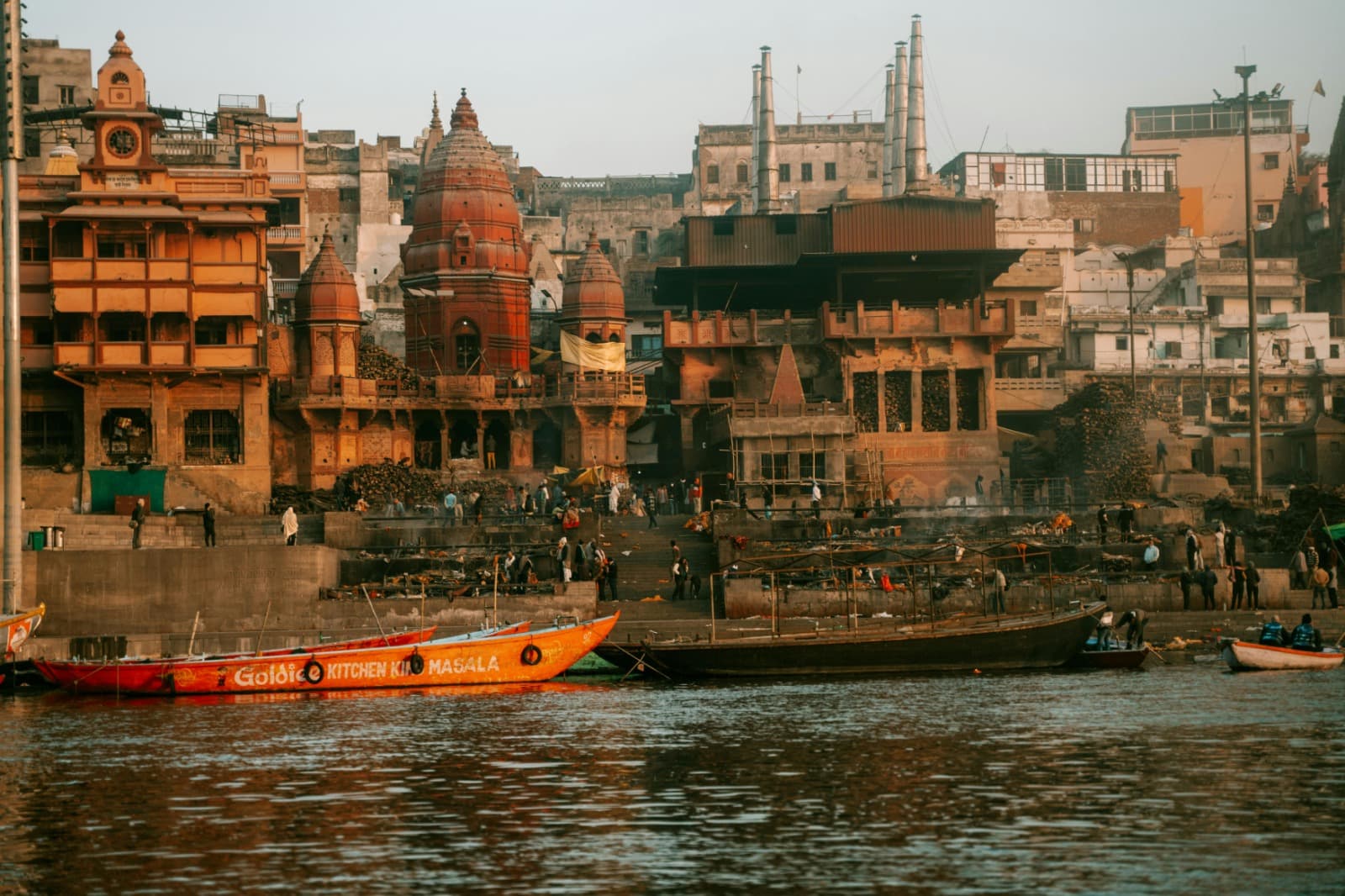
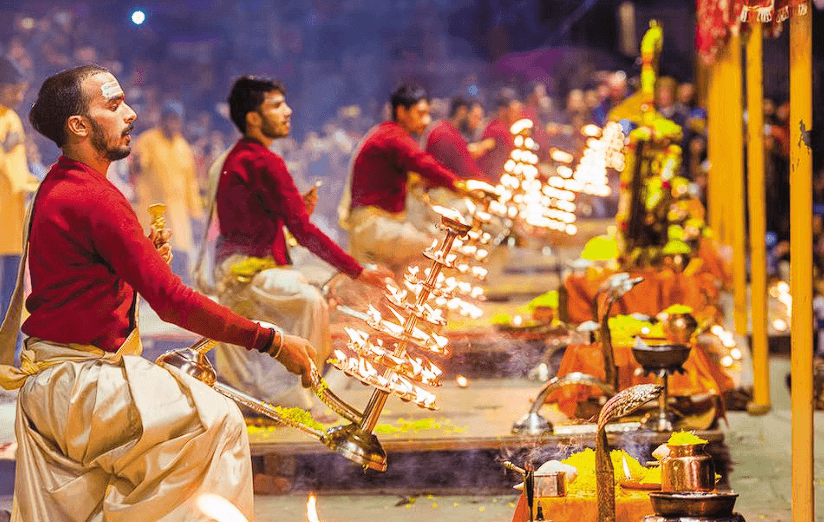
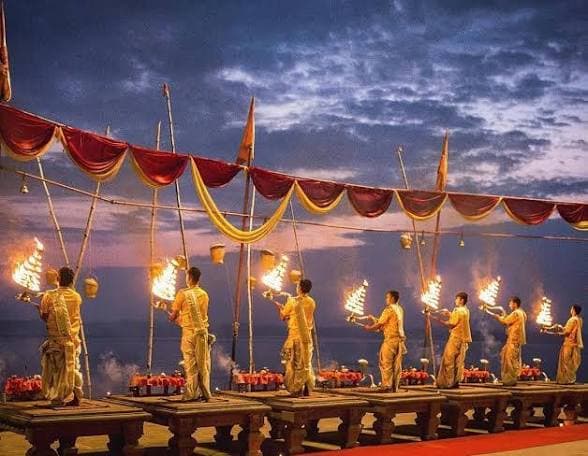
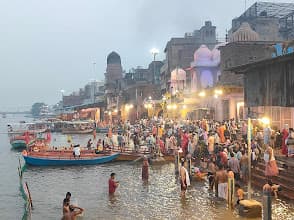
Dashashwamedh Ghat is the spectacular beating heart of Varanasi, famously known as the site where Lord Brahma is believed to have performed ten (Dash) horse sacrifices (Ashwamedha). While the present ghat structures were built by Maratha rulers in the 18th century, it has remained a primary pilgrimage spot for millennia. The daily Ganga Aarti is the main draw—a choreographed ritual of fire and prayer performed by saffron-clad priests at dusk. As bells chime and Vedic chants fill the air, the synchronized movement of massive brass lamps creates a mesmerizing golden glow reflecting on the Ganges. Tourists can experience this from the stone steps, nearby balconies, or traditional wooden boats on the river, offering a profound glimpse into India's living ancient culture.

Free Entry
Assi Ghat
4.6
Popular
Religious, Cultural, Nature, Heritage
Varanasi, Uttar Pradesh

Assi Ghat

Ghat / Riverfront

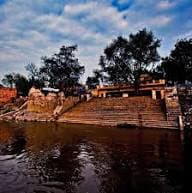
Assi Ghat is the southernmost ghat in Varanasi, marking the confluence of the River Ganges and the Assi River. It is famously mentioned in the Puranas and is the site where the poet-saint Tulsidas passed away. Unlike the intense, crowded energy of Dashashwamedh, Assi Ghat offers a more expansive and serene atmosphere. It is most renowned for "Subah-e-Banaras," a daily sunrise program featuring a majestic Ganga Aarti, Vedic chanting, and live Hindustani classical music, followed by free yoga sessions for all. By day, it serves as a cultural hub for students from the nearby Banaras Hindu University (BHU) and international travelers, filled with bohemian cafes and local artisans. It is the primary starting point for long boat rides that traverse the entire length of the Varanasi riverfront.

Free Entry
Dhamek Stupa (Sarnath)
4.6
UNESCO Tentative Site
Historical, Religious, UNESCO Tentative Site, Architecture
Varanasi, Uttar Pradesh

Dhamek Stupa (Sarnath)

Monument / Stupa

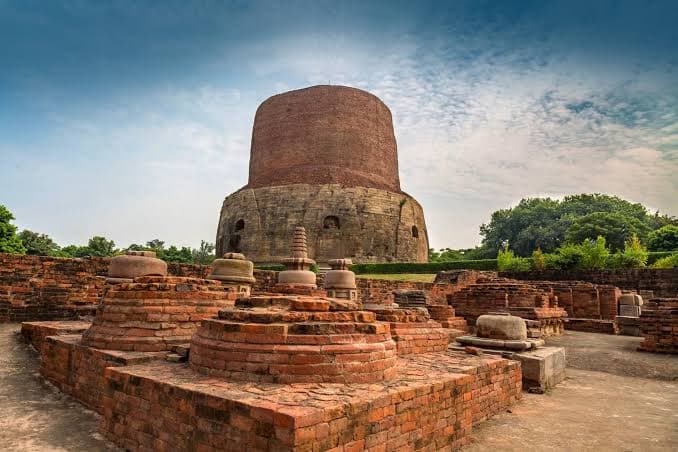
The Dhamek Stupa is the most imposing structure in Sarnath, marking the precise location where Lord Buddha delivered his first sermon, known as Dharmachakra Pravartana, to his five disciples. Originally commissioned by Emperor Ashoka in 249 BCE and later rebuilt during the Gupta period (500 CE), this massive cylindrical monument stands 43.6 metres tall and 28 metres in diameter. Its lower half is adorned with exquisite floral and geometric stone carvings and Brahmi script, showcasing the peak of Gupta craftsmanship. As one of the eight holiest Buddhist pilgrimage sites, it attracts visitors worldwide who come to circumambulate the stupa and find peace in its surrounding deer park. The site serves as a profound testament to the origins of the "Eightfold Path" and the foundation of the Buddhist sangha.

Entry From

20
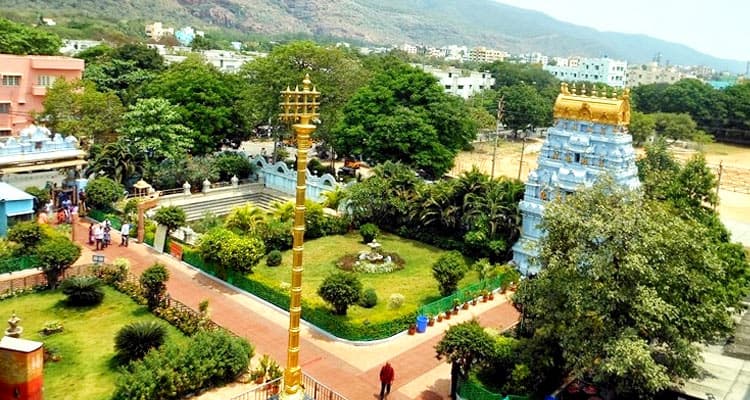
Sri Venkateswara Swamy temple
4.9
Popular
Religious
Tirupati, Andhra Pradesh

Sri Venkateswara Swamy temple

Temple

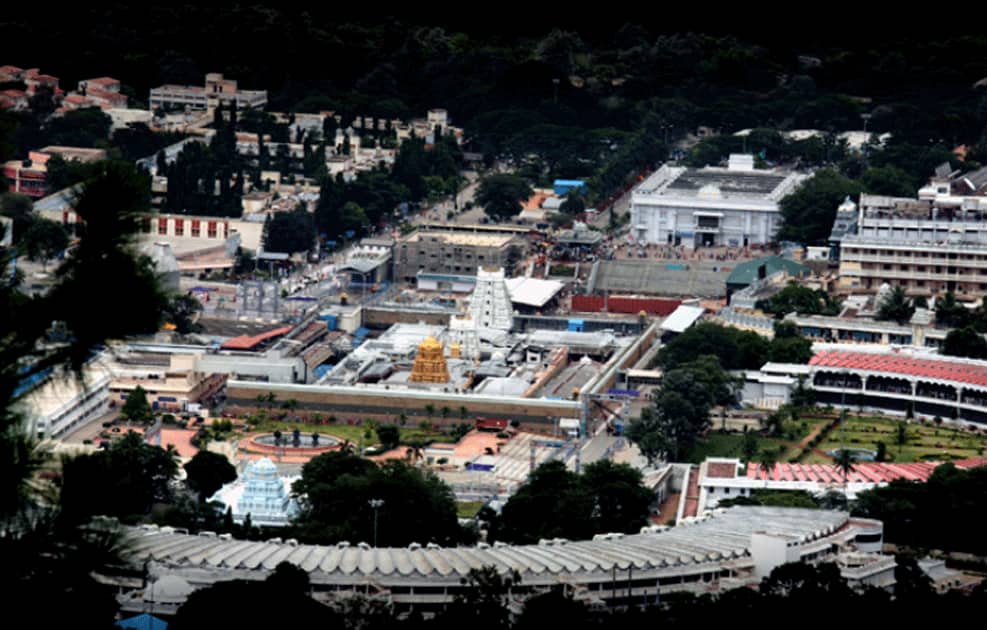
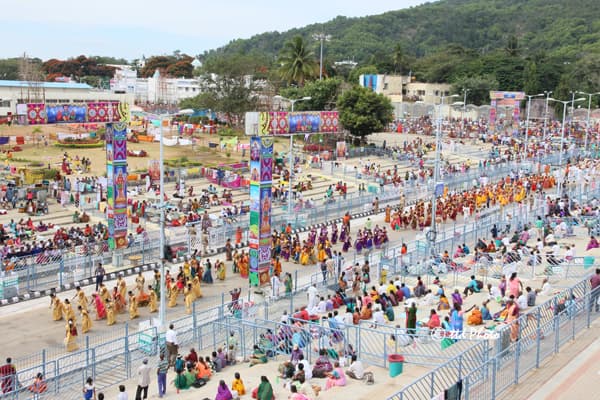
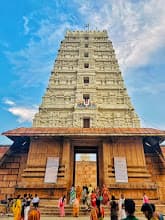
The Sri Venkateswara Swamy Temple, located atop the seventh peak of the Tirumala Hills (Venkatadri), is one of the most prestigious and most-visited religious sites in the world. Dedicated to Lord Venkateswara, an incarnation of Vishnu, the temple's history dates back to the 9th century, with significant contributions from the Pallava, Chola, and Vijayanagara dynasties. The architecture is a masterpiece of the Dravidian style, featuring the iconic "Ananda Nilayam" (the gold-plated Vimana over the sanctum) and the magnificent "Gopurams." Devotees visit to experience the powerful spiritual energy and fulfill vows, often participating in the unique tradition of hair tonsuring. Managed by the Tirumala Tirupati Devasthanams (TTD), the temple complex is a city in itself, offering a highly organized yet intense visitor experience amidst the scenic Eastern Ghats.

Free Entry
Chaukhandi Stupa (Sarnath)
4.5
Popular
Historical, Religious, Archaeological, Architecture
Varanasi, Uttar Pradesh

Chaukhandi Stupa (Sarnath)

Monument / Stupa

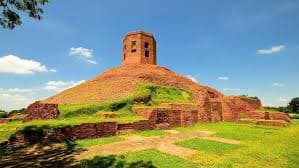
The Chaukhandi Stupa is a significant Buddhist monument in Sarnath, marking the precise spot where Lord Buddha is believed to have reunited with his first five disciples after attaining enlightenment in Bodh Gaya. Originally built during the Gupta period (4th–6th century CE) as a tiered temple, it features a unique architectural blend. In 1588 CE, Govardhan, the son of Raja Todar Mal, added an octagonal Islamic-style tower atop the mound to commemorate the visit of the Mughal Emperor Humayun. This fusion of Buddhist foundations and Mughal superstructure makes it a rare visual landmark. Surrounded by well-maintained lawns maintained by the Archaeological Survey of India (ASI), it serves as the gateway to the Sarnath archaeological complex, offering a quiet, contemplative start to a Buddhist pilgrimage.

Free Entry
Sarnath Archaeological Museum
4.6
Popular
Historical
Varanasi, Uttar Pradesh

Sarnath Archaeological Museum

Museum

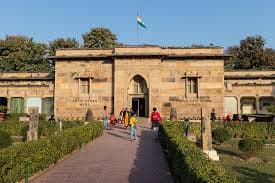
The Sarnath Archaeological Museum is the oldest site museum of the Archaeological Survey of India (ASI), established in 1910 to house findings from the Sarnath excavation site. Built in the style of a Buddhist monastery (Sangharam), the museum contains five galleries and two verandahs showcasing antiquities ranging from the 3rd century BCE to the 12th century CE. Its crowning glory is the original Lion Capital of Ashoka, the official National Emblem of India, carved from a single block of polished Chunar sandstone. Other notable exhibits include the monumental standing Buddha from the Gupta period and a rich collection of Bodhisattva figures. The museum provides an essential chronological context to the evolution of Buddhist art and the Mauryan, Kushan, and Gupta empires, making it a cornerstone for any historical tour of Varanasi

Entry From

5
Sri bhu varaha swamy temple
4.8
Free Entry
Religious
Tirupati, Andhra Pradesh

Sri bhu varaha swamy temple

Temple

Sri Bhu Varaha Swamy Temple is one of the oldest and most significant shrines in Tirumala, dedicated to Lord Varaha, the third incarnation of Lord Vishnu in the form of a boar. Located on the northern banks of the sacred Swami Pushkarini tank, it predates the world-famous Venkateswara Temple. According to legend, Tirumala was originally "Adi Varaha Kshetra" (the abode of Lord Varaha), and Lord Venkateswara sought permission from Varaha Swamy to reside on these hills. As a gesture of gratitude, a divine agreement was made: devotees must visit Varaha Swamy first and offer prayers before seeking darshan of Lord Venkateswara. The architecture is a classic example of Dravidian style, renovated in 1535 CE by Pedda Tirumalacharya. The temple offers a serene spiritual experience, emphasizing the preservation of the Earth (Bhu Devi) and the victory of Dharma

Free Entry
Shrivari paadhalu tirumala
4.8
Popular
Religious
Tirupati, Andhra Pradesh

Shrivari paadhalu tirumala

Temple

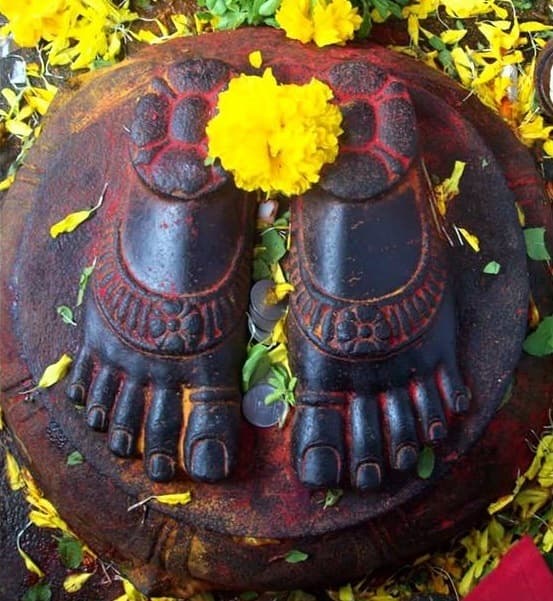
Srivari Padalu is a significant religious site located at the highest point of the Narayanadri Hills, part of the seven hills of Tirumala. According to Hindu mythology, this is the exact spot where Lord Venkateswara (an incarnation of Lord Vishnu) first set foot on Earth when arriving from Vaikuntam. The "Padalu" (footprints) are enshrined in a beautiful glass frame within a small, serene temple structure. Visitors flock here not only for the profound spiritual connection but also for the breathtaking panoramic views of the Seshachalam forest range and the main Tirumala Temple complex below. The ascent to this site provides a tranquil escape from the bustling temple crowds. Pilgrims often touch the glass casing as a mark of devotion, seeking blessings from the divine footprints that mark the beginning of the Lord's earthly journey.

Free Entry
Wat Thai Sarnath (Thai Temple)
4.6
Popular
Religious, Architecture, Buddhist Heritage
Varanasi, Uttar Pradesh

Wat Thai Sarnath (Thai Temple)

Temple

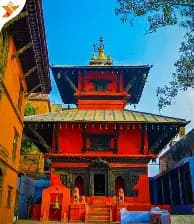
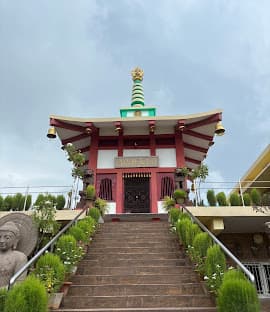
Wat Thai Sarnath is a magnificent Buddhist monastery built in the distinct Thai architectural style, characterized by its elegant sloping roofs, gold-leaf accents, and ornate carvings. Established by Thai devotees in the late 20th century, the temple complex is set within a sprawling, beautifully manicured garden that offers a stark, tranquil contrast to the bustling streets of Varanasi. Its most striking feature is the 80-foot tall standing Buddha statue, which dominates the Sarnath skyline and can be seen from several kilometers away. The temple serves as a residence for Thai monks and a spiritual retreat for international pilgrims. Visitors are welcomed by statues of laughing Buddhas and a serene pond, making it an essential stop for those exploring the international Buddhist circuit in Sarnath.

Free Entry
Shila thoranam
4.6
Popular
Nature
Tirupati, Andhra Pradesh

Shila thoranam

Monument

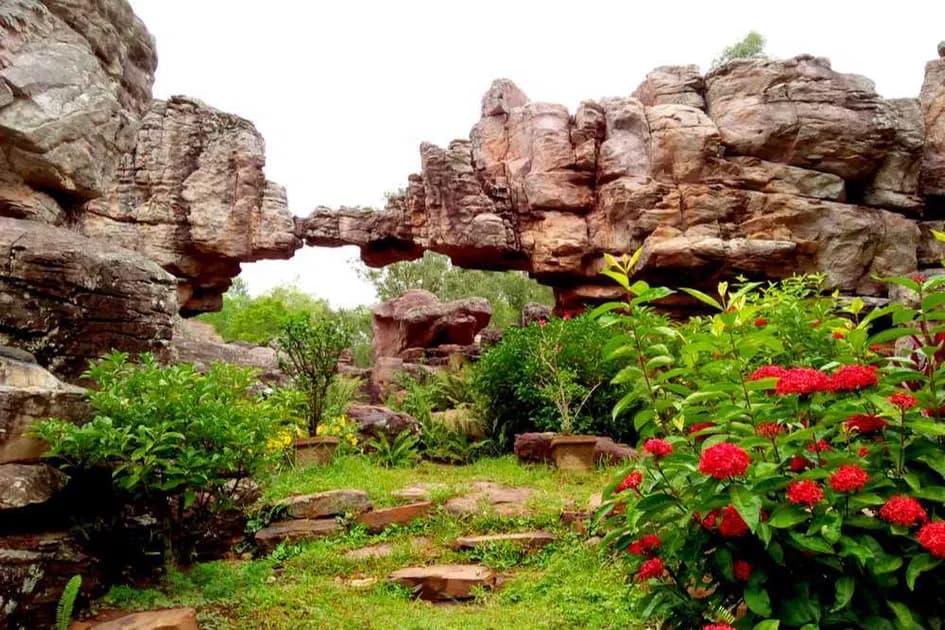
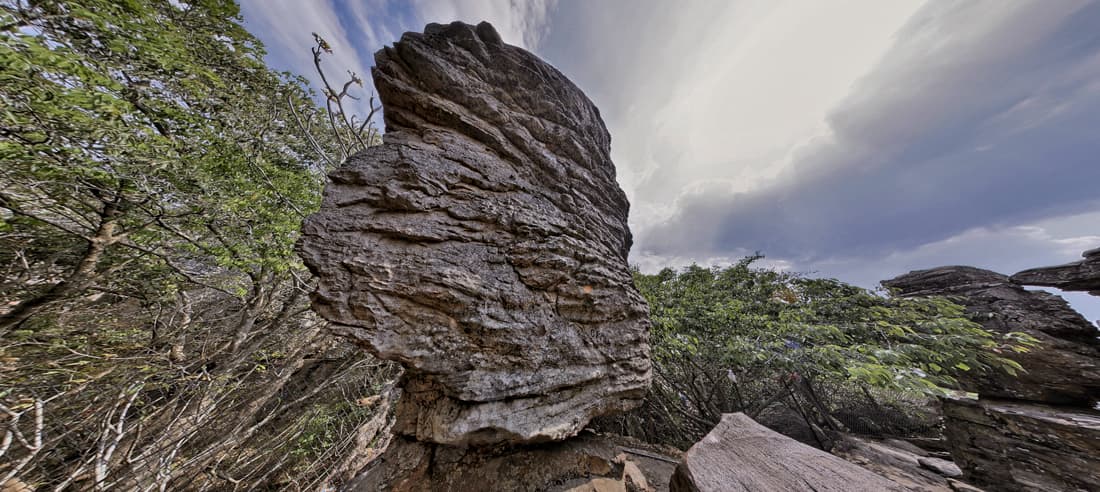
Shila Thoranam, located approximately 1.5 km from the main Venkateswara Temple in Tirumala, is a world-renowned geological marvel. Estimated to be over 1.5 billion years old, this natural rock arch is one of only three such formations in the world (the others being in the UK and USA). The arch was discovered in 1980 by archaeologists and is part of the Eparchaean Unconformity. Geologically, it is formed from quartzite rocks of the Cuddapah Supergroup. For devotees, the site holds immense religious significance; the arch is believed to resemble the conch (Shankha), discus (Chakra), and the hood of the serpent Adishesha, all symbols of Lord Vishnu. Legend suggests that Lord Venkateswara entered Tirumala through this very point. Today, the site is surrounded by a beautifully maintained garden and is a serene stop for pilgrims and nature enthusiasts seeking a blend of science and spirituality.

Free Entry
Akasha ganga waterfalls
4.4
Popular
Religious
Tirupati, Andhra Pradesh

Akasha ganga waterfalls

Waterfall

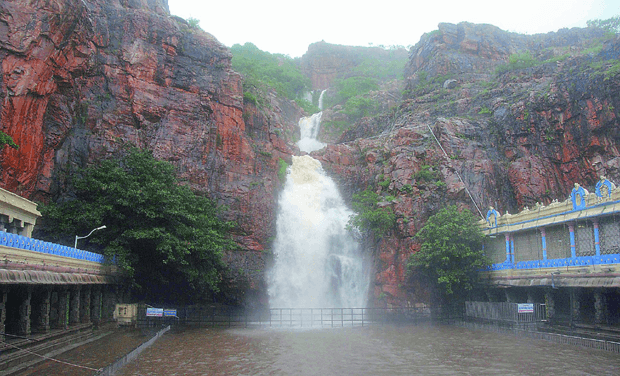
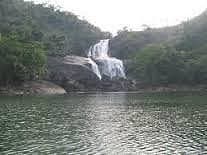
Akasha Ganga Waterfalls (also known as Akasa Ganga Teertham) is a sacred alpine cataract located approximately 3.5 km north of the main Tirumala Venkateswara Temple. Nestled within the lush Seshachalam Biosphere Reserve, the waterfall holds immense religious significance; according to Vedic lore, its waters originate from the "Lotus Feet" of Lord Venkateswara. The water is considered so holy that it is used daily for the Abhishekam (ritual bath) of the primary deity in the Tirumala temple. Historically, priests carried this water by hand through dense jungles, though today a dedicated pipeline system assists the process. Visitors must descend a flight of roughly 150–200 well-maintained stone steps to reach the falls. The experience offers a blend of spiritual purification and natural tranquility, with the 28-meter drop providing a refreshing mist in the heart of the Eastern Ghats.

Free Entry
Papavinashanam
4.5
Popular
Nature
Tirupati, Andhra Pradesh

Papavinashanam

Waterfall

Papavinashanam is a sacred alpine waterfall and reservoir located approximately 5 km from the main Sri Venkateswara Swamy Temple atop the Tirumala Hills. In Sanskrit, the name translates to "Destroyer of Sins," reflecting the deep-rooted belief that a holy dip in these waters absolves a devotee of all past misdeeds. Architecturally, the natural waterfall has been channeled through nine distinct "Simha Mukha" (lion-faced) bronze outlets to facilitate ritual bathing for pilgrims. The site is nestled within the lush greenery of the Seshachalam Biosphere Reserve, offering a tranquil and refreshing experience away from the temple queues. A massive reservoir nearby serves as the primary water source for the entire Tirumala township. Visitors can enjoy the scenic forest drive to the site, which is often combined with visits to Akasa Ganga and the Venugopala Swamy Temple.
Free Entry
Chakra theertham
4.6
Popular
Religious
Tirupati, Andhra Pradesh

Chakra theertham

Waterfall

Chakra Theertham is a highly revered water body located approximately 2 km from the main Sri Venkateswara Swamy Temple in Tirumala. According to Hindu mythology, Lord Brahma performed penance here, and Lord Vishnu cleansed the site by plunging his Sudarshana Chakra into the earth, creating a deep crater from which the holy water now flows. The site features a beautiful natural waterfall that cascades into a pond, surrounded by dense forests and unique rock formations of the Seshachalam range. It holds immense spiritual significance; bathing here is believed to wash away sins and grant the same merit as touching the "Lotus Feet of the Lord." During the annual Brahmotsavam, the deity is brought here for specific rituals. The approach path is well-maintained, offering a serene trekking experience through lush greenery, leading to a small shrine dedicated to Lord Narasimha and Sudarshana Chakrathalvar.

Free Entry
Sri padmavati ammavari temple
4.7
Popular
Religious
Tirupati, Andhra Pradesh

Sri padmavati ammavari temple

Temple

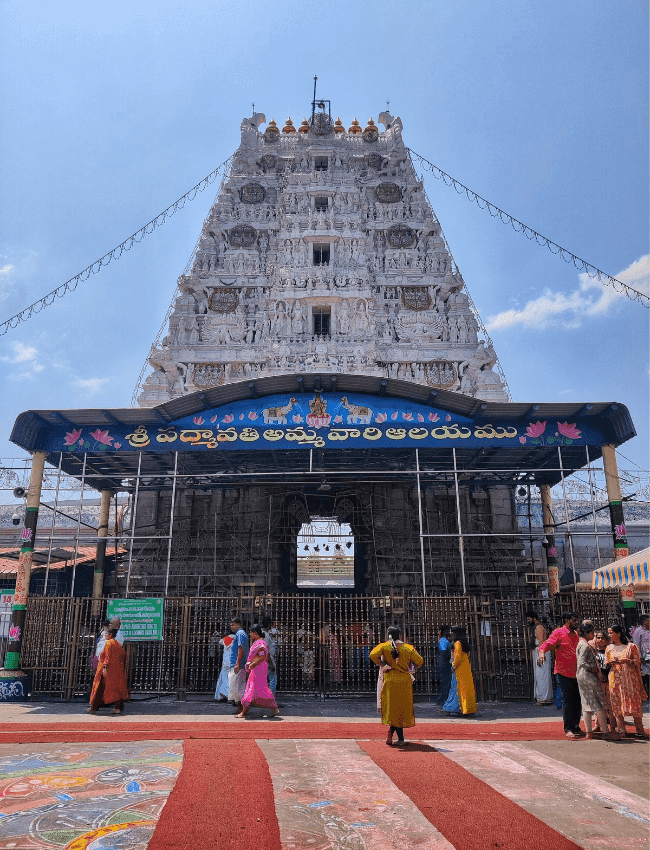
The Sri Padmavathi Ammavari Temple, located in Tiruchanoor (historically Alamelu Mangapuram), is one of the most significant Vaishnavite shrines in India. Dedicated to Goddess Padmavathi, the divine consort of Lord Venkateswara, the temple is traditionally visited before ascending the Tirumala hills. According to legend, the Goddess emerged from a golden lotus in the temple's sacred tank, the Padmasarovaram. Architecturally, the temple is a masterpiece of Dravidian style, featuring a 40-foot majestic gopuram and intricate carvings from the Pallava, Chola, and Vijayanagara eras. The sanctum sanctorum houses the idol of the Goddess in a seated posture, holding lotus flowers, symbolizing grace and prosperity. Visitors often describe the atmosphere as deeply spiritual and serene, especially during the morning rituals. The temple complex also includes shrines for Sri Krishna, Sri Balarama, and Sri Sundararaja Swamy.

Free Entry
Sri Govinda Raja swamy temple
4.7
Popular
Religious
Tirupati, Andhra Pradesh

Sri Govinda Raja swamy temple

Temple

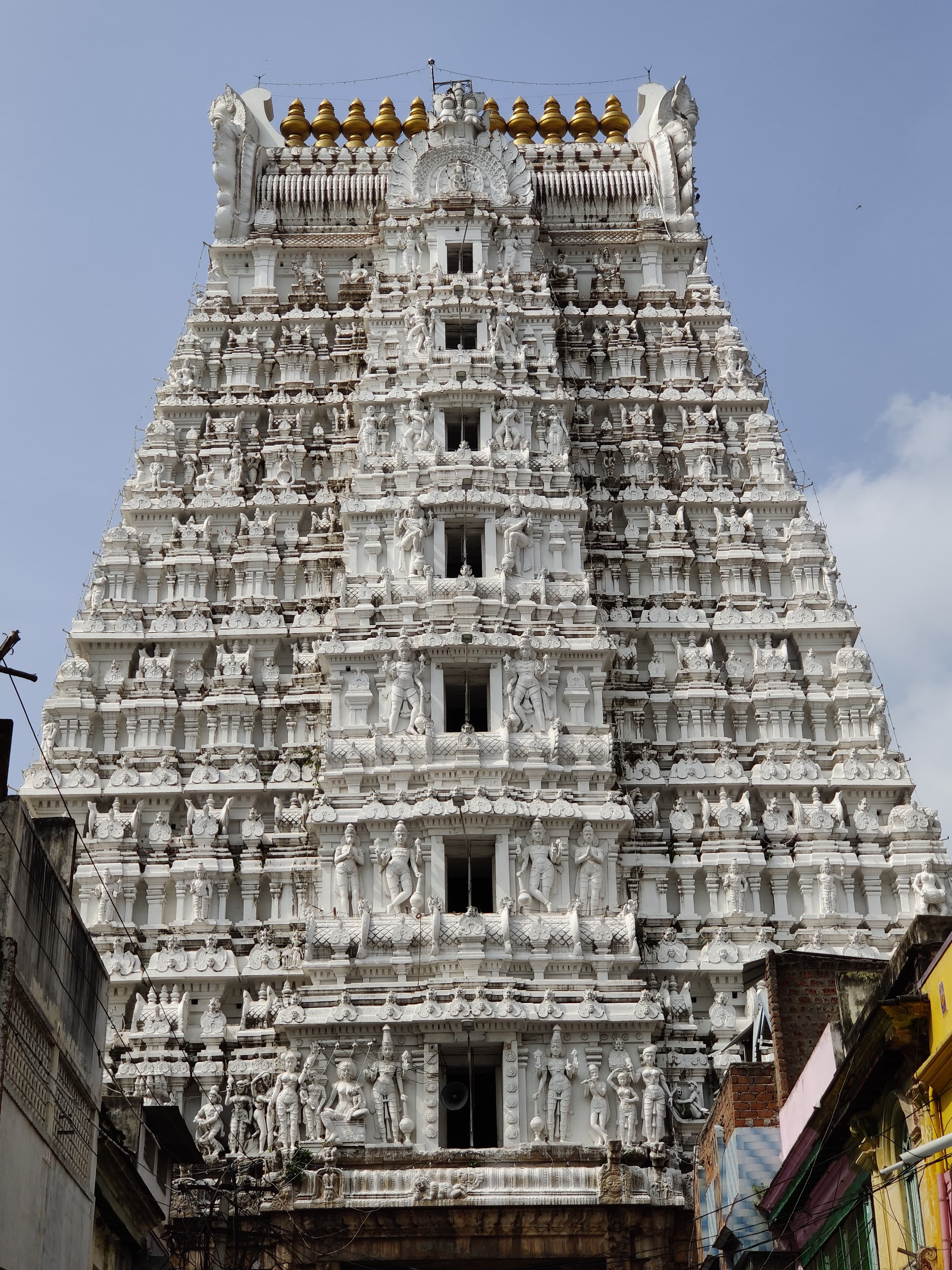
The Sri Govindaraja Swamy Temple is one of the most important and largest temple complexes in Tirupati, consecrated in 1130 AD by the saint Sri Ramanujacharya. Dedicated to Lord Vishnu in a reclining "Yoga Nidra" posture, the deity is considered the elder brother of Lord Venkateswara. Legend states that Govindaraja Swamy was the caretaker of the massive wealth borrowed from Kubera for Lord Venkateswara's wedding, and he is believed to help devotees manage and elevate their wealth. Architecturally, the temple is a masterpiece of the Dravidian style, featuring an imposing seven-storied Rajagopuram (outer tower) adorned with intricate carvings from the Ramayana and Bhagavata Purana. Managed by Tirumala Tirupati Devasthanams (TTD), the temple complex also houses several sub-shrines, including those for Sri Parthasarathi and Pundarikavalli Thayar, providing a deeply spiritual and serene experience in the heart of the city.
Free Entry
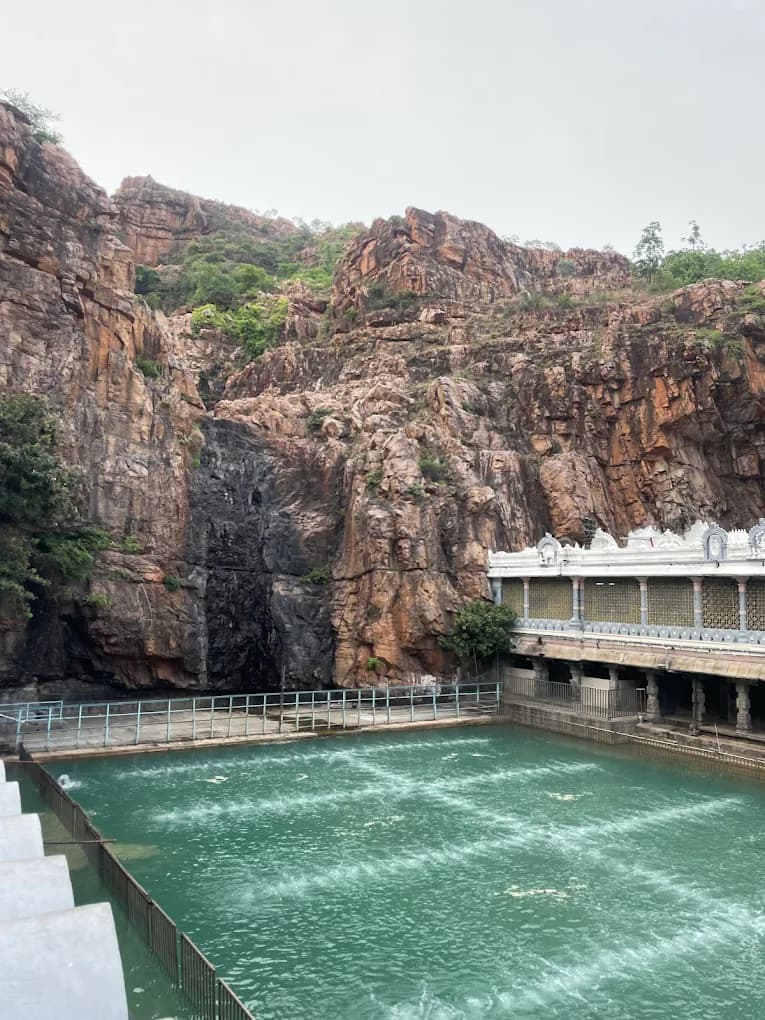
Kapila theertham
4.6
Popular
Religious
Tirupati, Andhra Pradesh

Kapila theertham

Temple

Kapila Theertham is the only holy Shiva temple in the Tirupati region and is uniquely situated at the base of the Seshachalam Hills. According to Hindu mythology, Sage Kapila Muni performed intense penance here, leading Lord Shiva and Goddess Parvati to manifest before him. The temple is famous for its massive sacred waterfall that cascades from the Tirumala mountains directly into the temple's Pushkarini (holy tank). Architecturally, the temple showcases significant Dravidian influences with extensive patronage recorded from the Vijayanagara Empire, particularly under King Krishna Deva Raya in the 16th century. Pilgrims often visit this site to take a ritual dip in the "Kapila Theertham" waters before beginning their journey up the hills to Tirumala. The serene environment, framed by vertical rock faces and lush greenery, provides a tranquil spiritual experience within the bustling city of Tirupati.

Free Entry
Iskcon tirupati
4.7
Popular
Religious
Tirupati, Andhra Pradesh

Iskcon tirupati

Temple

ISKCON Tirupati, also known as the Sri Sri Radha Ananta Govinda Temple, is one of the largest and most architecturally stunning ISKCON centers in Southern India. Located at the foothills of the Tirumala hills, the temple was inaugurated in 2005 to propagate the teachings of Lord Krishna as presented by A.C. Bhaktivedanta Swami Prabhupada. The architecture is a masterful blend of traditional South Indian temple design and modern aesthetics, featuring a distinctive white structure adorned with gold-plated carvings and vibrant life-sized dioramas depicting the pastimes of Lord Krishna. Visitors experience a profound sense of serenity through the rhythmic "Hare Krishna" chants, the impeccably maintained gardens, and the grand sanctum. The complex also houses a guest house, a world-class vegetarian restaurant (Govinda’s), and a multimedia theater, making it a comprehensive cultural and spiritual destination for pilgrims and tourists alike

Free Entry
Sri Venkateswara Zoological park
4.2
Popular
Nature
Tirupati, Andhra Pradesh

Sri Venkateswara Zoological park

Park

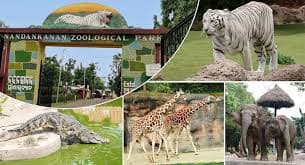
Established in 1987 and spread across a vast area of approximately 5,500 acres, Sri Venkateswara Zoological Park is one of the largest zoos in Asia. It is uniquely designed based on Hindu mythology, showcasing animals that hold significance in ancient scriptures. The park is nestled amidst the scenic Seshachalam hills, providing a near-natural habitat for its inhabitants. It is renowned for its successful conservation programs, particularly for the Asiatic Lion and the Majestic White Tiger. Visitors can experience a dedicated Lion Safari, explore the prehistoric dinosaur park section, and observe a wide variety of flora and fauna. The zoo's architecture emphasizes open moated enclosures rather than traditional cages, offering an immersive visitor experience that prioritizes animal welfare and education. It serves as a vital lung space for the temple city of Tirupati.

Entry From

50
Digambar Jain Mandir (Sarnath)
4.7
Religious Significance
Religious
Sarnath, Uttar Pradesh

Digambar Jain Mandir (Sarnath)

Temple

The Digambar Jain Mandir in Sarnath is a site of immense spiritual importance, as it commemorates the birthplace of the 11th Jain Tirthankara, Lord Shreyansanath. Located just a few hundred metres from the Dhamek Stupa, the temple stands as a testament to Sarnath’s multi-religious heritage. The current structure, though relatively modern, is built on an ancient site and features a beautiful towering spire (shikhara) and an interior adorned with intricate frescoes depicting the life and teachings of the Tirthankaras. The sanctum sanctorum houses a serene idol of Lord Shreyansanath. For Jain pilgrims, this is an essential stop on the "Panch Kalyanaka" circuit. The temple complex offers a quiet, meditative atmosphere, providing a peaceful retreat from the more crowded tourist spots in the Sarnath archaeological zone.

Free Entry
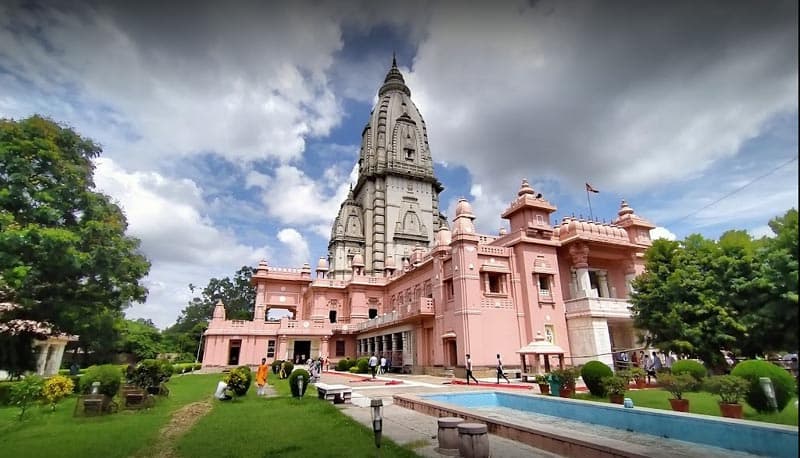
 Shri Vishwanath Mandir (New Kashi Vishwanath Temple / Birla Temple)
4.8
Highest Shikhara
Religious, Architecture, Educational, Heritage
Varanasi, Uttar Pradesh

Shri Vishwanath Mandir (New Kashi Vishwanath Temple / Birla Temple)

Temple

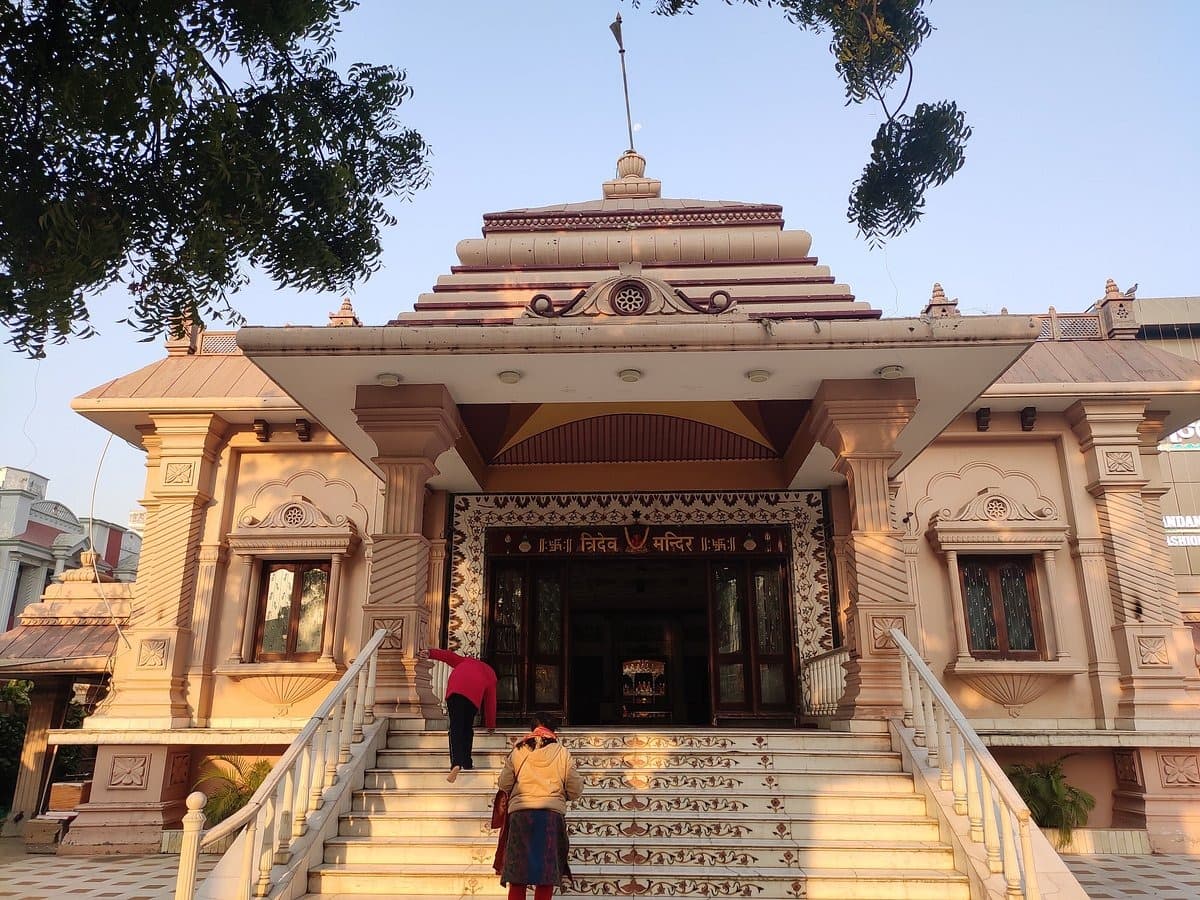
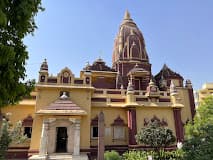
Located within the sprawling, lush green campus of Banaras Hindu University (BHU), the Shri Vishwanath Mandir, popularly known as the New Kashi Vishwanath Temple or Birla Temple, is a magnificent modern marvel. Commissioned by the philanthropist Birla family and inspired by Pandit Madan Mohan Malviya, the temple took 35 years to complete (1931–1966). It boasts the tallest temple tower (Shikhara) in the world, standing at approximately 250 feet. Built entirely of white marble, the temple is a multi-level complex dedicated to Lord Shiva, though it houses several other deities. The interior walls are uniquely engraved with the entire text of the Bhagavad Gita and verses from the Vedas. Unlike the original temple in the old city, this temple features wide-open spaces, a serene atmosphere, and is open to people of all castes and creeds, reflecting the inclusive vision of its founders.

Free Entry
Ramnagar Fort
4
Scenic View
Historical, Architectural, Royal Heritage
Varanasi, Uttar Pradesh

Ramnagar Fort

Fort / Monument / Museum

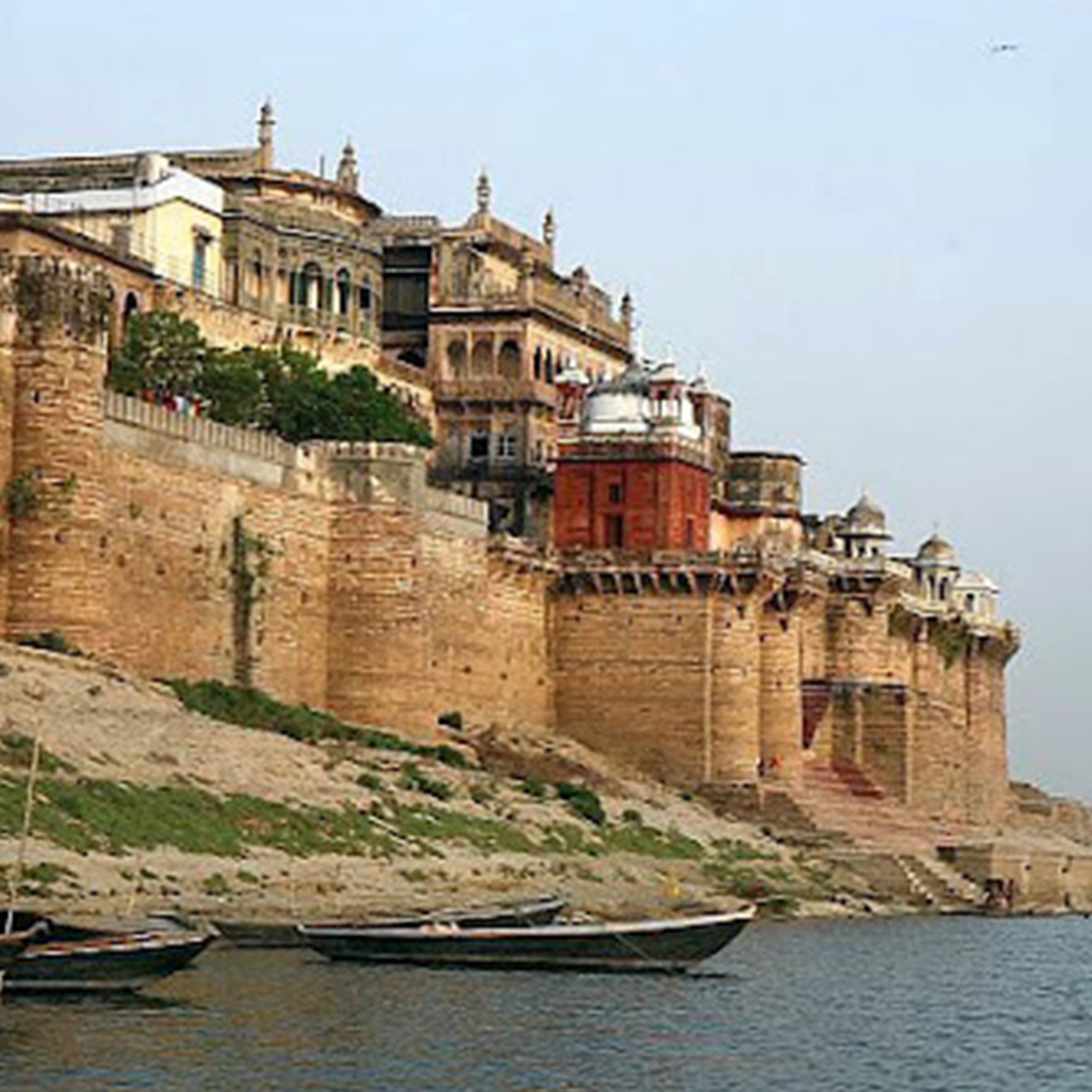
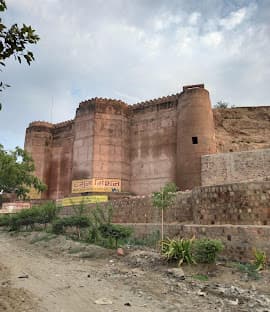
OVERVIEW Standing majestically on the eastern bank of the Ganges, the 18th-century Ramnagar Fort is a cream-coloured sandstone marvel built in 1750 by Kashi Naresh Maharaja Balwant Singh. Designed in a distinct Mughal architectural style, the fort features fortified walls, intricately carved balconies (jharokhas), and sprawling open courtyards. It remains the ancestral residence of the Maharaja of Benares, though a significant portion is open to the public as the Saraswati Bhawan Museum. Visitors can explore a royal collection of vintage cars, ornate palanquins, and an impressive armoury. The fort's riverside location offers breathtaking views of the Varanasi ghats directly opposite. Its cultural peak occurs during the month-long Ramnagar Ramlila, a world-famous dramatic performance of the Ramayana staged across the fort grounds.

Entry From

20

Let Travoxa be your guide to the soul of India. From peaceful escapes to breathtaking adventures, we craft journeys that touch the heart and stay with you forever.

ADDRESS: Flat 402, Shree Ganesh Residency, MG Road, Andheri East, Mumbai, Maharashtra 400069, India

PHONE: (+91) 81005 39204

EMAIL: travoxa@gmail.com

2025 Travoxa. All Rights Reserved.

TRAVOXA